
What Was Said and Why It Matters
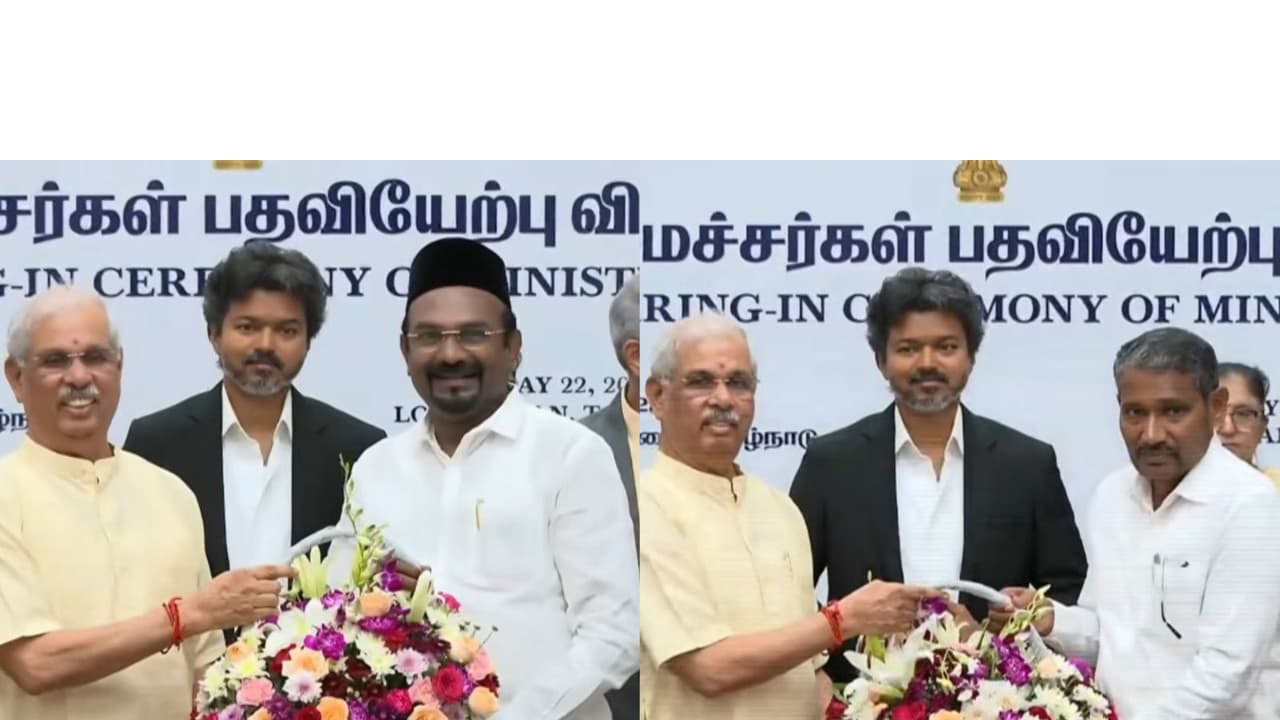
Tamil Nadu minister Ramesh has publicly stated that members of Thalapathy Vijay's Tamilaga Vettri Kazhagam (TVK) who were appointed as ministers were selected without any consideration of caste — according to reports from Devdiscourse. In Tamil Nadu's political ecosystem, where caste arithmetic has historically been one of the most powerful forces determining cabinet formation, party alliances, and electoral strategy, that is not a throwaway remark. It is a deliberate ideological signal — and one that aligns almost perfectly with the founding principles Vijay articulated when he launched TVK.
The Political Landscape This Drops Into
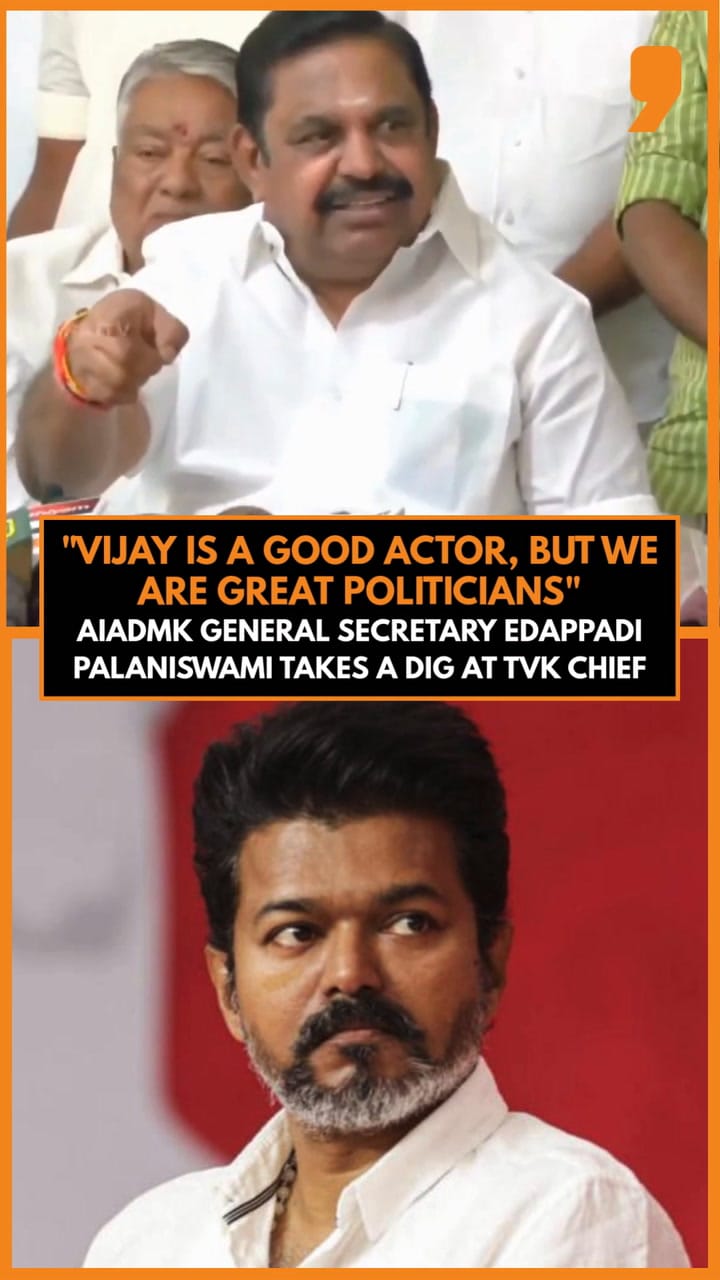
Tamil Nadu politics has long operated with an unspoken but well-understood rulebook: cabinet berths are distributed with an eye on caste representation, balancing communities to consolidate vote banks. Both the DMK and AIADMK, the two dominant forces in the state for over five decades, have navigated this reality with varying degrees of transparency. For a newer party like TVK to loudly declare that its members have been elevated on merit alone is to position itself as a structural alternative — not just an electoral one.
This is significant because TVK is still a young organisation. The party held its landmark state conference in late 2024, where Vijay delivered a closely watched address laying out a vision for a corruption-free, inclusive Tamil Nadu. Minister Ramesh's statement appears to be a continuation of that messaging, now backed by what is being presented as concrete evidence: actual ministerial appointments made without caste as a filter.
How This Fits Vijay's Political Identity
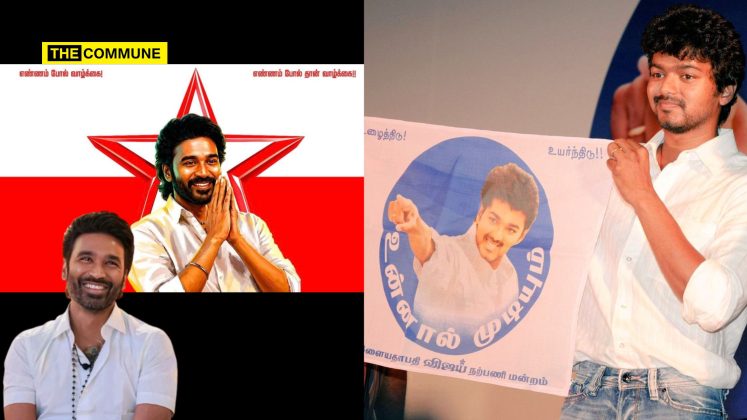
Fans who followed Thalapathy's journey from cinema to politics will recognise a through-line here. Long before TVK was formally constituted, Vijay's on-screen persona — particularly in films like Mersal, Sarkar, and Master — consistently championed the ordinary citizen over entrenched power structures. Mersal's dialogue attacking policy failures became a national talking point. Sarkar depicted a protagonist refusing political inheritance. These were, of course, films — but they shaped a public image of a man allergic to dynastic or identity-based privilege.
When Vijay stepped into real politics, he repeatedly stressed that TVK would not be a vehicle for any one community. The party's internal elections and organisational structure were presented as open processes. Minister Ramesh's statement now adds a governance-level data point to what had previously been largely rhetorical positioning.
What "Merit-First" Means in Practice
The claim deserves scrutiny alongside celebration. Tamil Nadu has 234 assembly constituencies spread across a deeply diverse state, and any government — coalition or majority — must be sensitive to the aspirations of its varied communities. The assertion that caste played zero role in ministerial selection is a strong one, and political observers will inevitably ask for the broader demographic breakdown of those appointments to test it against reality.
That said, even the act of publicly foregrounding merit over caste is a departure from the norm. It sets a benchmark that TVK will now be held to, which is itself a form of accountability. For a party still building institutional credibility, that is a calculated risk — and arguably a brave one.
Why the Fanbase Is Paying Close Attention
TVK's supporters, many of whom crossed over from being film fans into becoming political volunteers, have always been motivated in large part by Vijay's stated commitment to a different kind of politics. Every move the party makes is watched through that lens. When a sitting minister steps forward to defend TVK's appointment process on grounds of inclusivity, it reinforces the narrative that the transition from mass hero to mass political leader is producing something substantively different — not just a rebranded version of the old order.
For the broader Tamil electorate still making up its mind about TVK, moments like this matter. They are the party's way of converting idealism into institutional proof.
Spotted an error? Tell our desk. We correct mistakes openly.