A Familiar Blueprint, a New Name
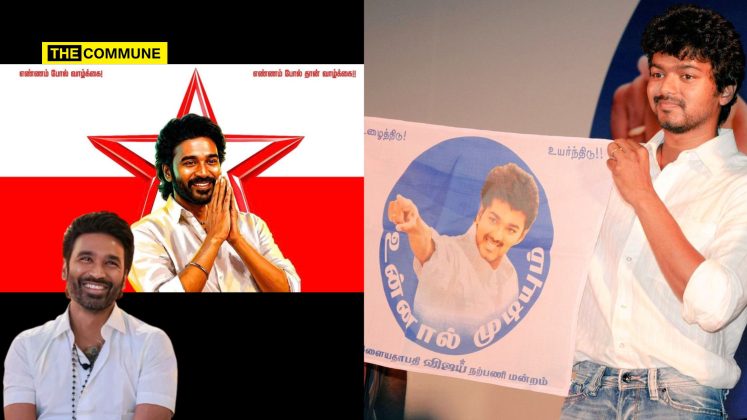
Tamil Nadu politics has a long and well-documented relationship with the film industry. From MGR founding the AIADMK to Karunanidhi's deep ties with cinema, the state has consistently blurred the line between the silver screen and the political stage. Vijay's own journey from superstar to TVK founder is the most recent chapter in that story. Now, according to reports from Gulf News, the conversation has turned to Dhanush, whose fan network is said to be reorganising itself along the lines of a political movement, prompting an official response from TVK.
The fact that TVK felt the need to respond publicly is itself significant. It signals that the party, still finding its footing as a formal political outfit, is paying close attention to any new force that could influence the voter base it is actively trying to build among younger Tamils and cinema-going communities.
Why Fan Clubs Matter in Tamil Politics
To understand why this story carries real weight, you have to appreciate what Tamil fan clubs actually are. They are not casual WhatsApp groups of movie enthusiasts. At their most organised, they are hierarchical, district-level networks capable of mobilising thousands of people for events, relief work and, crucially, voter outreach. Vijay's own fan infrastructure laid much of the groundwork for TVK before the party was even formally announced.
Dhanush commands a massive and deeply loyal fanbase, one that cuts across age groups and stretches well beyond Tamil Nadu into the Telugu-speaking states, Kerala, and the global diaspora. If that network is beginning to think and act politically, it represents a structural shift, not just a headline.
What TVK Actually Said
According to the Gulf News report, TVK responded to the speculation around Dhanush entering politics, though the exact nature of that response has not been fully detailed in available reports. Whether the party welcomed the idea, expressed caution, or simply acknowledged the buzz is not yet clear from what has been published. Readers should treat specific claims about TVK's position with that caveat in mind until more detailed reporting emerges.
What is clear is that TVK chose to engage with the story rather than ignore it. For a party led by someone who went through the exact same public speculation cycle just a few years ago, that choice feels deliberate.
The Vijay Parallel and What Fans Are Thinking
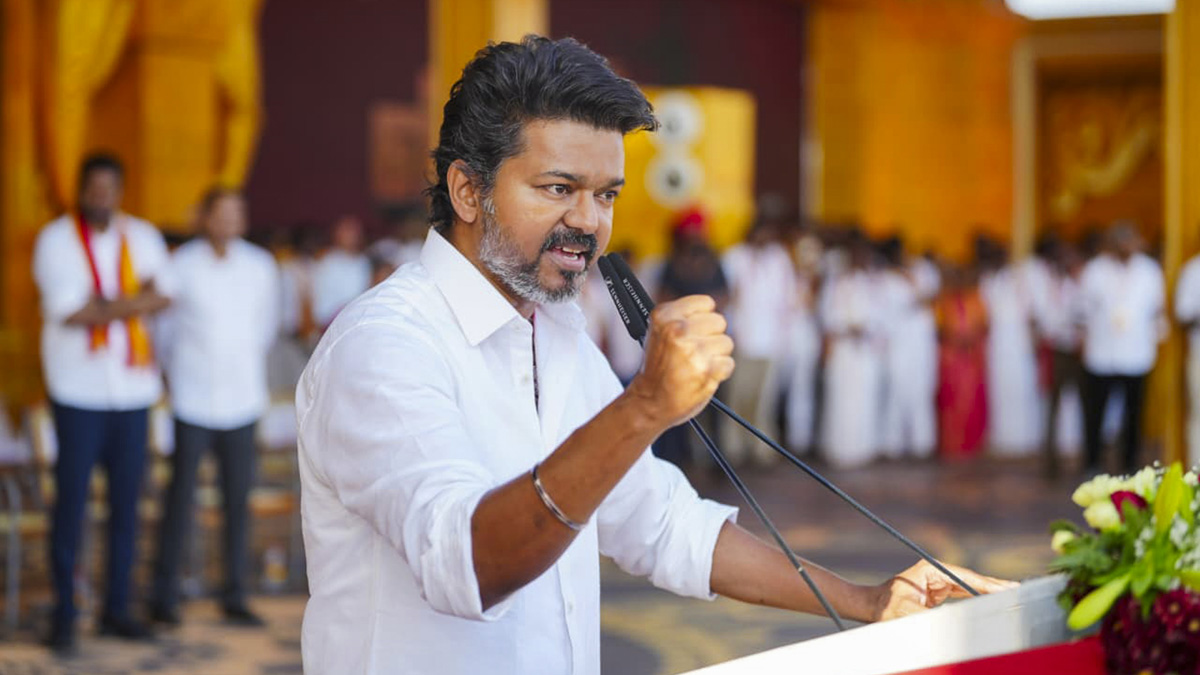
Thalapathy fans will remember the years of will-he-or-won't-he headlines before Vijay made his political intentions official. His transition was gradual, moving from welfare work through fan clubs to formal party registration, and every step was watched obsessively by both supporters and rivals. Dhanush's situation, as described in current reports, sounds remarkably similar in its early stages.
For TVK supporters, a second major film personality entering the political arena raises practical questions. Would Dhanush's movement align with TVK's agenda, compete with it for the same voter demographic, or operate in an entirely separate lane? Tamil Nadu already has the DMK, AIADMK, and a growing number of smaller parties fighting for relevance. A Dhanush-linked political outfit, if it materialises, would add another variable to an already complicated equation ahead of the next assembly election cycle.
Still Early Days
It is worth being measured here. Fan clubs reorganising themselves is not the same as a formal political entry. Dhanush has not made any public statement confirming political ambitions, and until he does, this remains at the level of organised enthusiasm rather than confirmed intent. Tamil film fan movements have reorganised before without the actor at the centre ever stepping into electoral politics.
TVK's response, whatever its precise content, suggests the party is watching carefully. And given how Vijay's own story unfolded, Tamil Nadu's political observers are right to take the early signals seriously rather than dismiss them.
Spotted an error? Tell our desk. We correct mistakes openly.