The Allegation at the Centre of the Storm
In a sharp escalation of tensions between two of Tamil Nadu's newer political formations, All India Anna Dravida Munnetra Kazhagam (AMMK) general secretary T.T.V. Dhinakaran has publicly accused Thalapathy Vijay's Tamilaga Vettri Kazhagam (TVK) of submitting a letter to the Tamil Nadu Governor that allegedly bore forged AMMK support. According to reports in The Hindu, Dhinakaran categorically denied that his party had authorised any such backing and described the submission as a fabrication. He has reportedly demanded an immediate explanation from TVK leadership and has not ruled out taking the matter further through legal or official channels.
The nature of the letter — whether it was connected to a political alliance claim, a legislative matter, or an official petition — has not been fully detailed in available reports, but the gravity of Dhinakaran's language leaves little ambiguity about how seriously AMMK is treating the incident.
Why a Letter to the Governor Matters
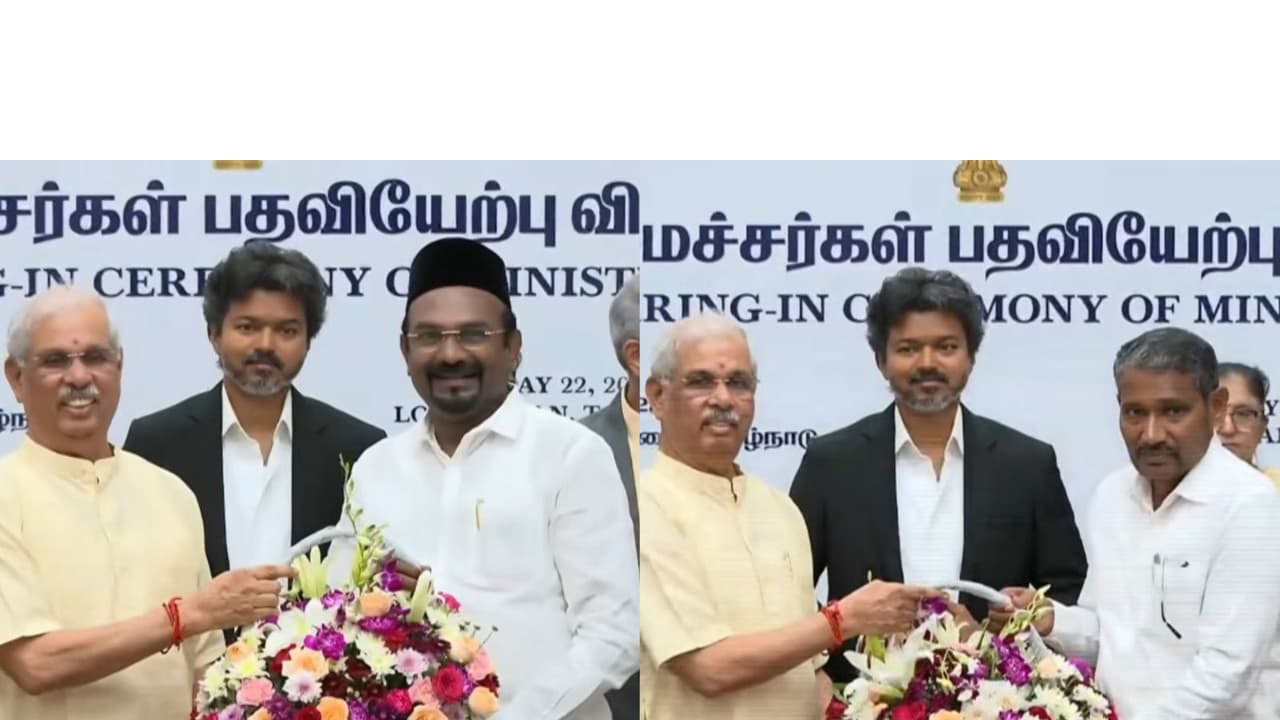
In Tamil Nadu's political grammar, correspondence with the Governor carries real weight. Parties approach the Raj Bhavan to register positions on legislation, demand presidential rule, stake coalition claims, or put on record their stance on constitutional matters. If TVK submitted a letter that overstated its political support base by including a party that never consented, it would not merely be an administrative error — it would represent a deliberate misrepresentation to a constitutional authority.
For a party that is barely a year into its formal political existence, such a charge — even if ultimately unproven — is exactly the kind of controversy that opponents will amplify. TVK has positioned itself since its launch as a clean, cadre-driven alternative to the existing Dravidian establishments of the DMK and the AIADMK. The "forged document" allegation cuts directly against that image.
TVK's Position in Tamil Nadu's Evolving Political Landscape
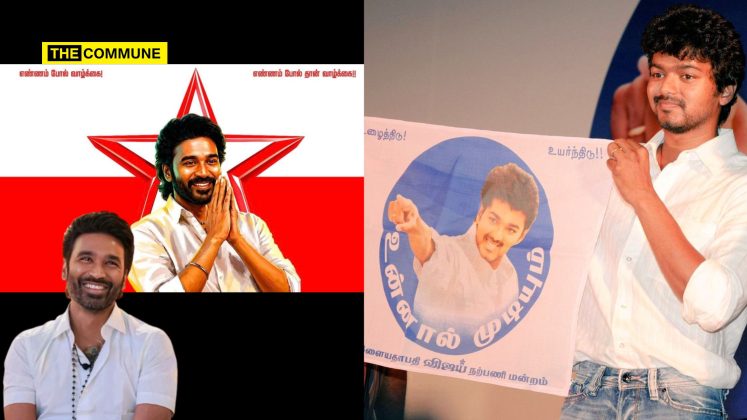
Thalapathy launched TVK in February 2024, announcing the party's name and flag with characteristic flair and drawing enormous crowds. Since then, the party has worked steadily to build a grassroots presence — conducting district-level conferences, enrolling members, and signalling ideological positions on issues ranging from social justice to economic policy. Vijay has been deliberate in distancing TVK from what he calls the "corrupt" and "dynastic" politics of established players.
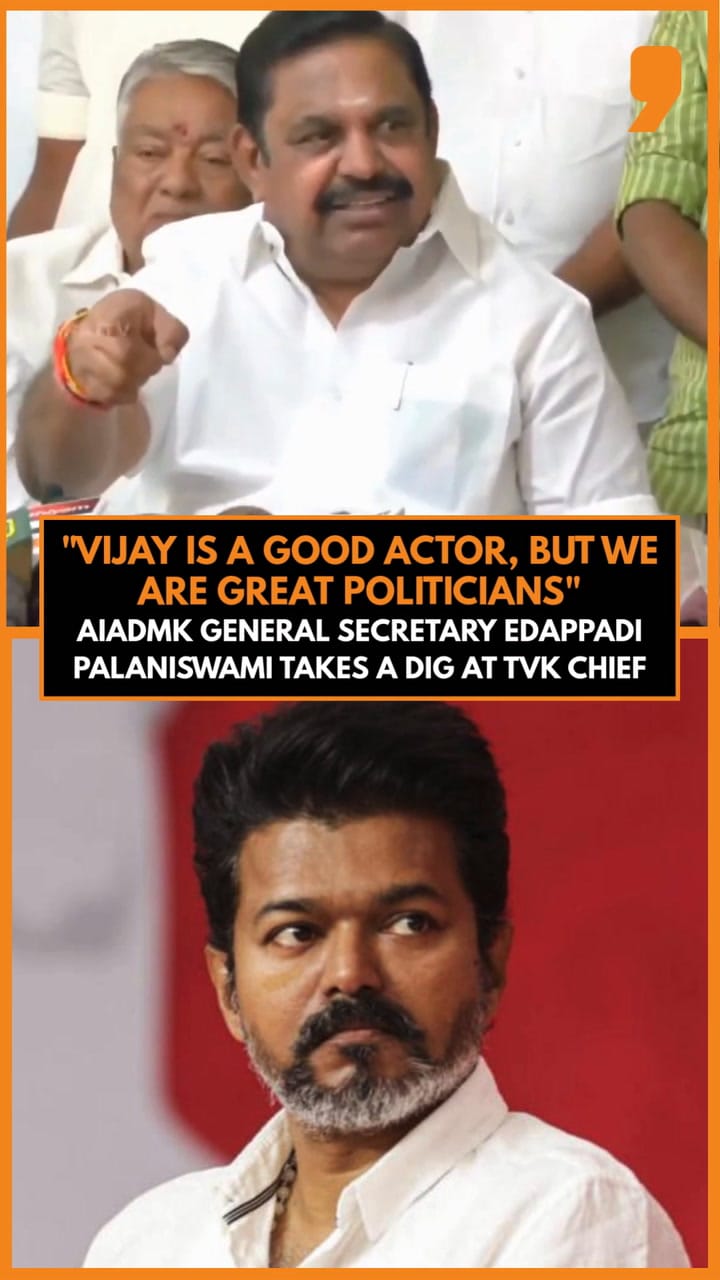
That context makes the Dhinakaran accusation particularly consequential. AMMK, itself born out of the internal rupture within the AIADMK, occupies a politically fragmented space — but Dhinakaran remains a recognisable figure with a residual base in parts of the state. An open conflict between TVK and AMMK at this stage could either push AMMK voters away from any possible alignment with Vijay's camp, or it could be used by larger parties — DMK and BJP alike — as evidence that TVK lacks the discipline and transparency it promises.
A Pattern Worth Watching
This is not the first time TVK has faced accusations from rival formations attempting to puncture its momentum. Since Vijay stepped into politics, various parties have questioned everything from the party's funding sources to the ideological consistency of its positions. What is different here is the specificity of the charge — a named document, a named recipient (the Governor), and a named party denying its consent. That paper trail, if it exists, is verifiable.
As of publication, TVK had not issued a detailed public rebuttal to Dhinakaran's claim, according to available reports. The silence, however brief, will be noticed in a state where political communication moves at considerable speed.
What Fans and Supporters Should Know
For the TVK base — many of whom are long-time Vijay fans who followed him from the front rows of Mersal and Master screenings into political rallies — this moment asks for patience and scrutiny in equal measure. Thalapathy has repeatedly asked his supporters to hold the party to a higher standard than what Tamil Nadu politics has previously offered. That standard now needs to be demonstrated in how TVK responds to a formal, public accusation from another party's chief. A transparent, detailed response will matter far more than silence or deflection.
The coming days will likely determine whether this remains a two-day controversy or becomes a more sustained test of TVK's institutional credibility.
Spotted an error? Tell our desk. We correct mistakes openly.